Seth Curtin
Hello! I’m a recent BSc Applied Physics graduate from California State University Channel Islands.
Welcome to my website!
About Me
Hello! I’m Seth. I grew up in a zero-income, nine-person home in Southern California.
I passed California’s high school equivalency exam during my sophomore year and began college at the age of 16. My childhood fascination in animals led me to pursue a degree in Biology.
After taking calculus and chemistry, I realized not only was math not that scary, but also that biology wouldn’t help me answer the deeper questions about our world. In my 3rd year of college, I changed my major to Applied Physics minoring in Mathematics.
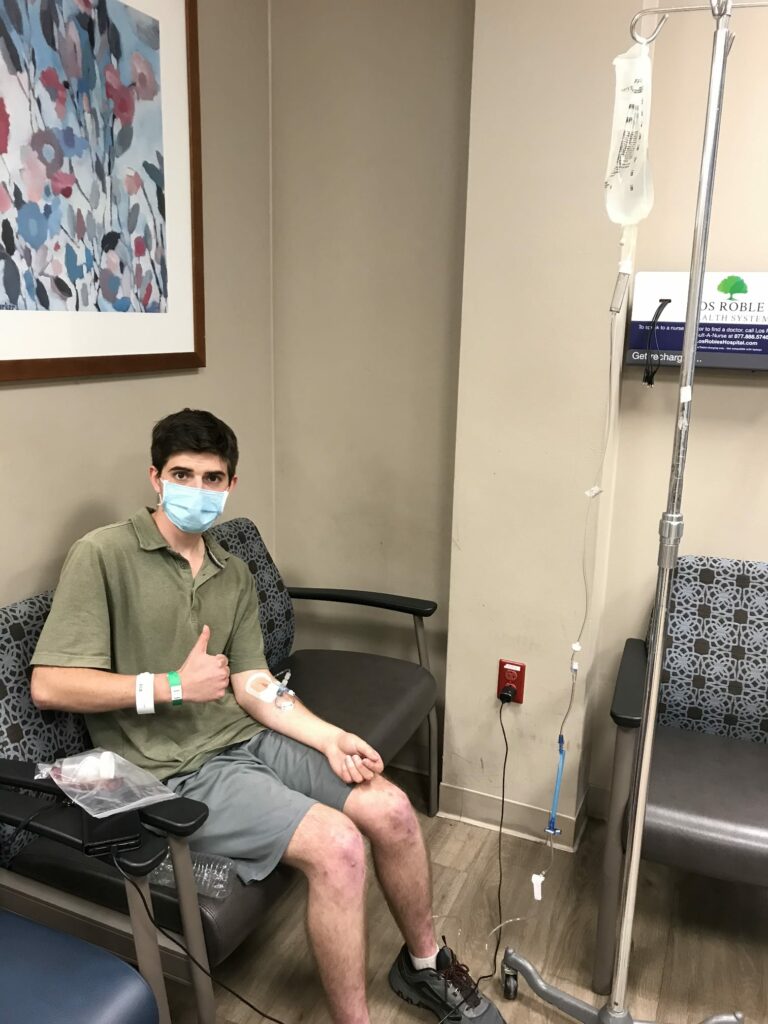
During my studies I have faced multiple challenges including financial insecurity, unreliable transportation, and hospitalizations mid-semester. Despite this, I have stayed focused on my goals. Excluding my study abroad semester, I have maintained a 4.0/4.0 GPA.
Curriculum Vitae
Transcripts
Undergraduate Research Experience
_
–
ML Pixel Detector Predictions
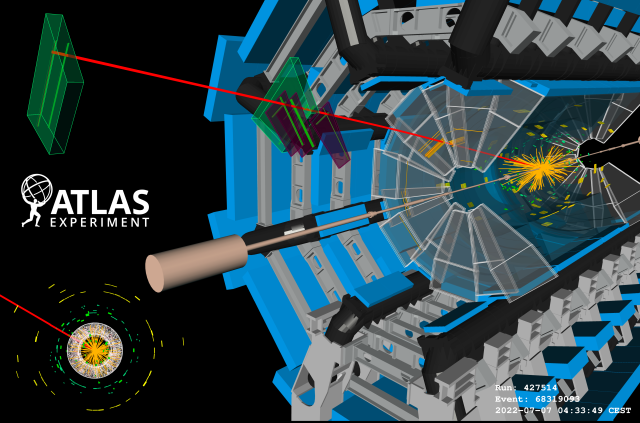
I spent the 2025 summer as a student intern at the European Council for Nuclear Research (CERN) in Meyrin, Switzerland. I supported the development of the ATLAS experiment’s Inner Tracker (ITK) detector upgrade. The ITK will map charged particle trajectories using tens of thousands of silicon pixel detector chips, which are currently in the production stage. I trained multiple machine learning (ML) algorithms on chip parameters (voltage, current, trim values, etc.) to predict voltage behavior. I am continuing this work remotely to continue refining my ML model, with the goal of implementing an algorithm to automatically adjust individual parameters to improve the performance of poorly functioning chips.
_
_
Low Level Radio Frequency
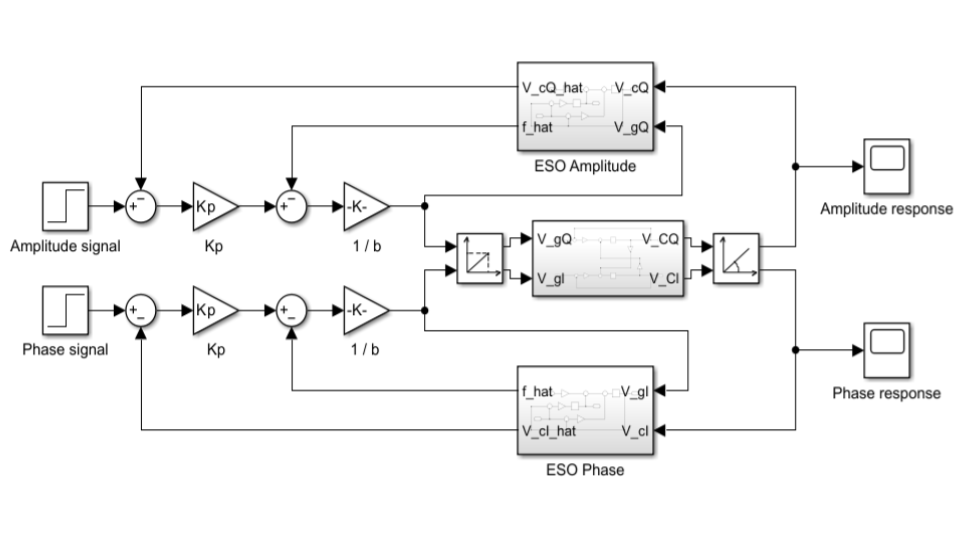
In the summer of 2024, I had the opportunity to participate in the INSIGHT program at the Facility for Rare Isotope Beams in Michigan State University. During my internship, I simulated an active disturbance rejection control (ADRC) system for the facilities superconducting radio frequency cavities using MATLAB Simulink. I modeled the SRF cavities as a parallel RLC circuit and implemented the model with an extended state observer in Simulink. Once ideal control parameters were determined, I implemented a proportional integral derivative controller for comparison with significant results. In addition to my control system work, I assisted in developing error diagnostic and signal processing scripts using Python and MATLAB. This experience not only enhanced my technical skills but also provided valuable insights into the operation of large-scale particle accelerator facilities.
–
Ground Support Equipment
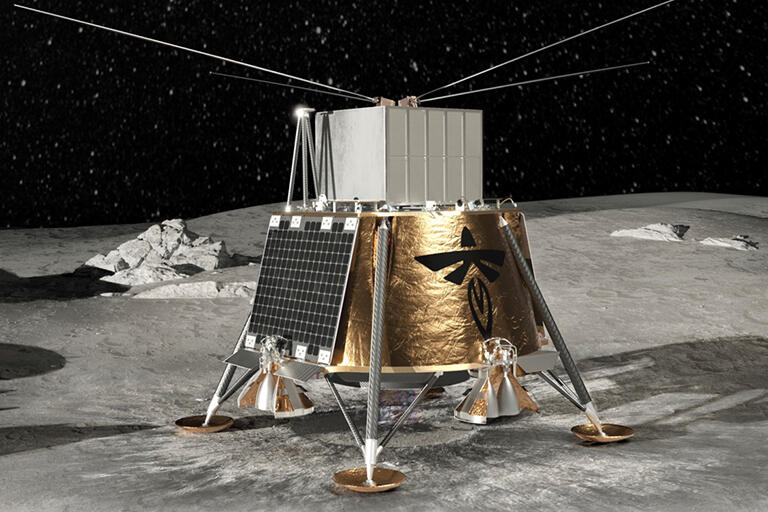
I participated in UC Berkeley’s Space Sciences Laboratory 2023 ASSURE program where I worked on the ground support equipment software for NASA’s LuSEE-Night mission (more info). I used the integration and test software GSEOS to simulate data transfer between the mission’s flight computer and instrument suite system. This system was repurposed from the Parker Solar Probe mission. I used GSEOS to send commands, load data, and reconfigure the software based on complications that arose. I also created scripts using python that would automatically fabricate a test data file, send it to the instrument and flight computer, and then track all missing/incorrect data. Additionally, I created GUIs that automatically visualized data and allowed GSE engineers to more easily interface with the instrument, send commands, diagnose errors, etc. I presented my work at the 2024 USNC-URSI NSRM conference in UC Boulder.
–
–
Corrosion Research
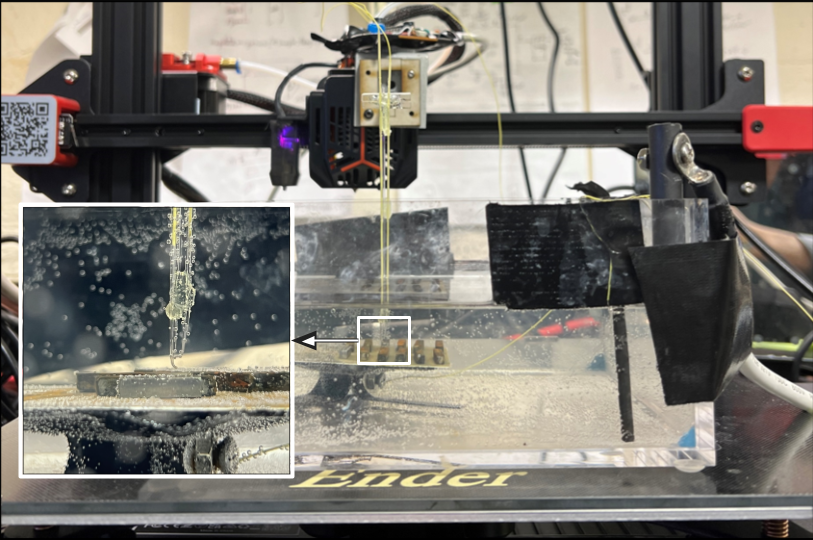
In the Spring 2024 semester I joined a research group where we sought to mathematically model corrosion. I joined the experimental group where we constructed a Scanning Reference Electrode Technique (SRET) apparatus to determine the current density of corroded metal samples. We accomplished this by reconfiguring a 3D printer to be able to attach a modular electrode array that would measure the electric potentials at two separate points in the water immediately outside the corroded surface (with respect to a grounded electrode). Calculations were then made to determine the current density. We also are in the process of modifying the apparatus into a Scanning Vibrating Electrode Technique (SVET) instrument that is predicted to reduce noise. My group presented our findings at our universities SAGE conference.
–
Electric Fish E-Field Mapping
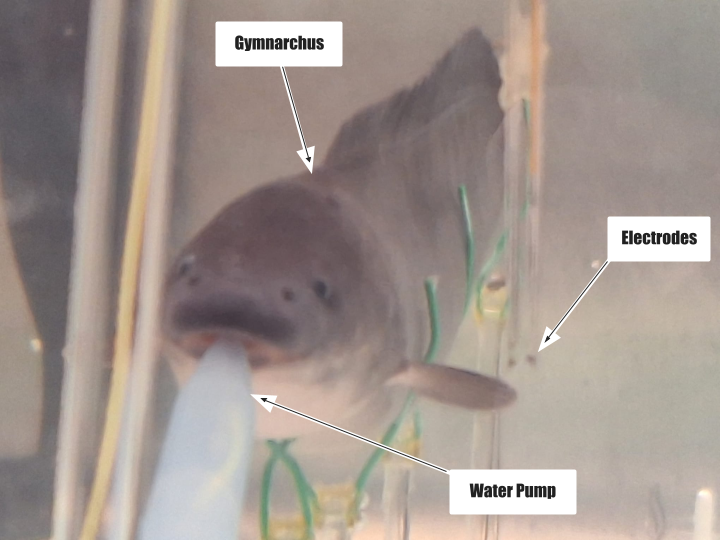
Using a very similar set-up to our corrosion research above (and continuing on my professor’s graduate research), my group used a multi-electrode apparatus to map the electric field of Gymnarchus notilus, also known as the African Knifefish. We sedated the fish (named Huginn) using aquacalm and placed them on stabilizers [green objects in image to the left] to keep their body position rigid, so that the E field would not change during measurements. While sedated, Gymnarchus continues to emit an E-field and the electrode array moves around the tank, measuring electric potentials that can be plotted on a 2D gradient map. This data helps to provide insight as to the evolution and development of electric organs in Mormyrid fishes.
Coursework Highlight:
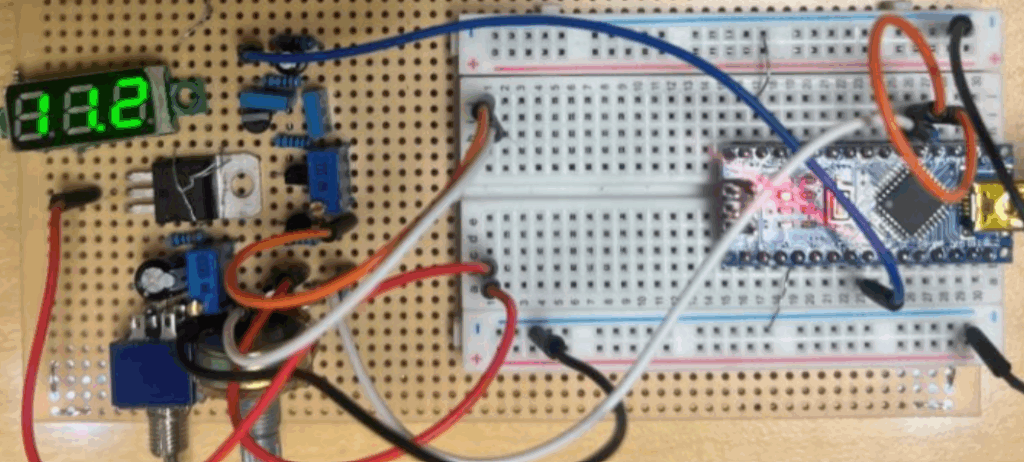
Electronics
–
u———————————————————————————————————————————————————————————
______________________________
Techniques:
Adjustable LM317 DC power supply
Automated Data Recording & Analysis (using Arduino-MATLAB integration)
Pulse-Width Modulation
Fourier Analysis
______________________________
Throughout the semester, I documented
my work in an Electronics Portfolio.
______________________________
Extracurricular Activities
Society of Physics Students
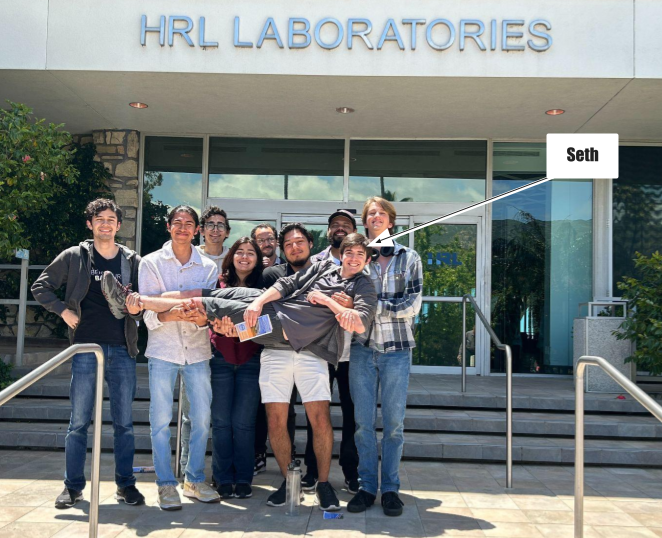
Physics Club tour of HRL Laboratories in Malibu, CA.
As the president of my university’s Society of Physics Students chapter, I was in charge of and performed outreach at community events, organized events/trips [including lab tours (see image), airshow volunteering, graduate student speaker, etc.], collaborated with other clubs, and handled/kept track of club finances. For my club’s work we were awarded the SPS notable chapter award for 2022-2023. One of my favorite parts of this role was being able to help physics majors in the earlier parts of their academic journey in the same way that so many others had helped me.
Notre Dame Physics Olympics
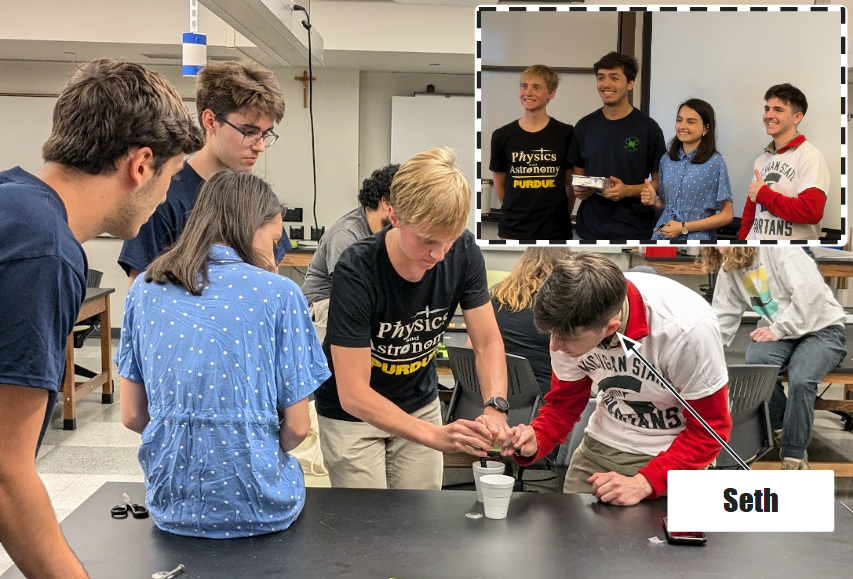
In the summer of 2024, I competed in the University of Notre Dame’s Physics Olympics, where 20 teams from US universities competed in three events. First, we used a nail, copper wire, duct tape, and a battery to create an electromagnet that picked up the most paperclips. Next, we tied rubber bands to a weight to make it fall as close as possible to a specific distance when dropped from a height. Lastly, we built a boat from straws, rubber bands, and foil to hold the most bolts before sinking. My team won the competition and set the all-time record in the boat event, earning Starbucks gift cards and the satisfaction of applying our knowledge of physics principles effectively.
Balancing Inverted Pendulum
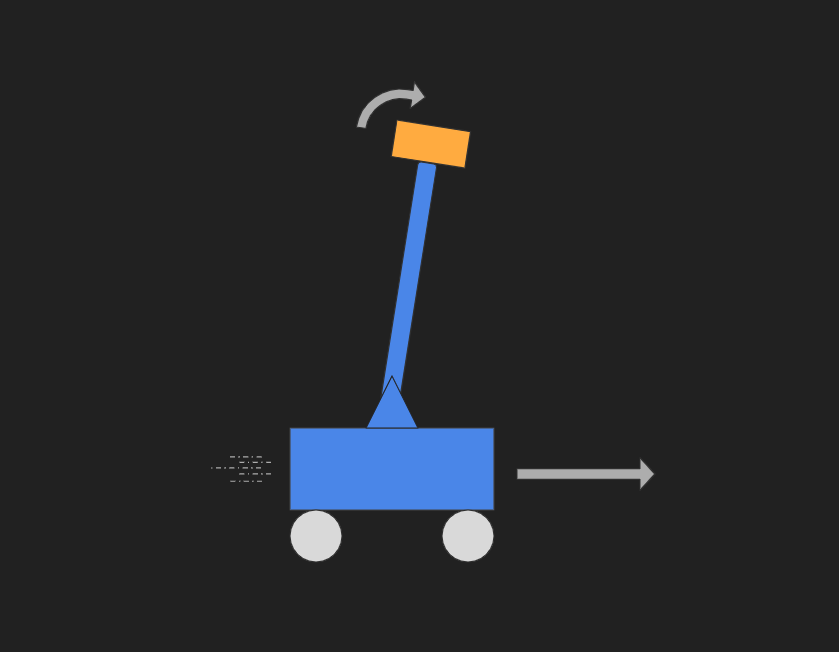
I am currently building a self-balancing inverted pendulum system mounted on a motorized cart. The cart houses an Arduino Uno, while a fulcrum at the top supports a long pendulum arm consisting of a wooden beam with a weighted end. An MPU-6050 (GY-521) accelerometer mounted on the weight provides real-time motion data to the Arduino. Using this data, the Arduino executes a PID control algorithm that drives the cart’s electric motors in the appropriate direction to counteract the pendulum’s rotation and restore it to its vertical equilibrium. I began this project as a hands-on challenge to integrate physical system modeling, electronics, and control theory.
NOLA Field Data Collection
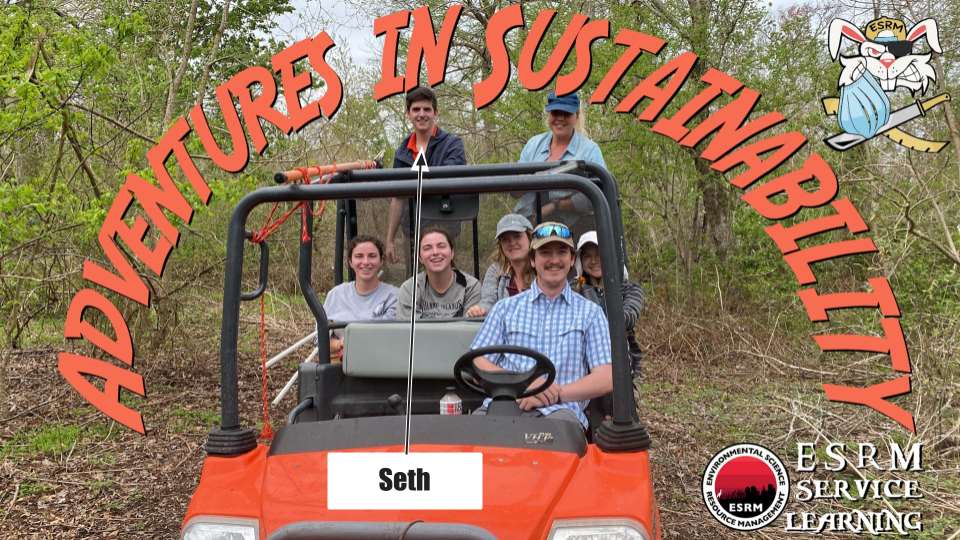
During my first year at CSU Channel Islands, my sisters and I volunteered to record field data and assist in the construction of community farms. To prepare for this work, we completed a 2.5-month course where we learned to identify and differentiate between various plant species, fungi, lichens, and more, while also documenting their occurrences in diverse environments. We explored the different parishes of New Orleans, encountered new ecosystems such as swamps and hardwood forests, and saw organisms we had never seen in-person like alligators, armadillos, cypress trees, and spoonbills. The picture above has been featured on a TV screen in one of CSUCI’s buildings for years to promote the Environmental Science program.
Embedded Peer Educator
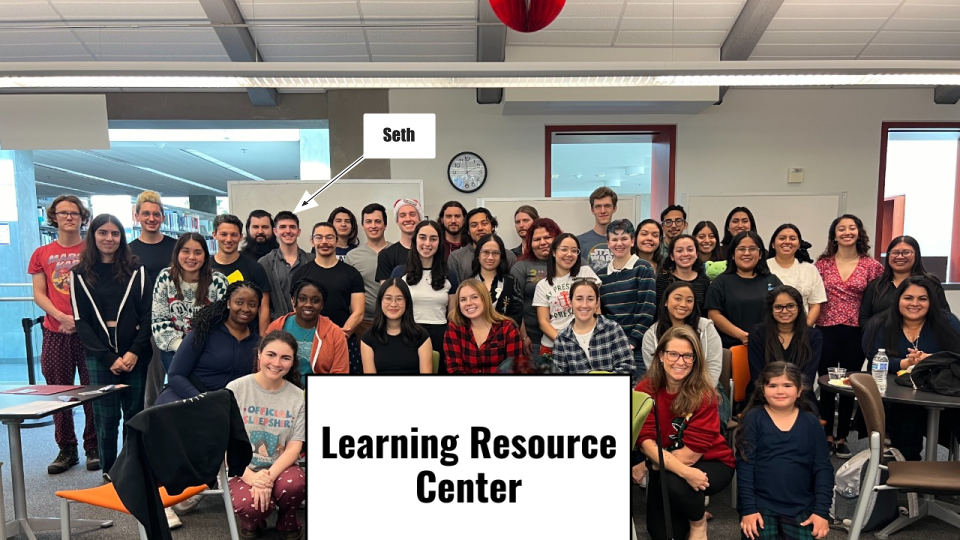
Starting in January of 2023, I began working in my university’s Learning Resource Center as and Embedded Peer Educator (EPE). As an EPE, I would be assigned a class I had previously taken where I would sit in on the class and assist the professor in whatever help they needed. This includes (but is not limited to) helping form lesson plans, assist students with in-class assignments, and occasionally instruct my own lesson. Outside of class I would post announcements/reminders to the class, give individual students outreach to those falling behind, and hold tutoring hours. In my tutoring hours I helped guide students with their learning in the subjects of Biology, Math, Chemistry, Physics, and Enivronmental Science.
Data Visualization Contest
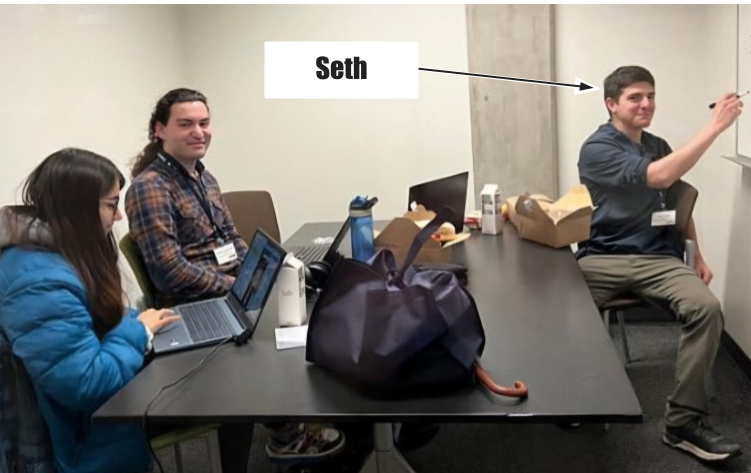
For the past couple years, I have competed in my university’s data visualization contest where we are given a raw dataset and then have ~24 hours to clean, analyze, visualize, and present a story based on the story. My team used the coding language Python. This competition has been really useful to practice my skills with working under pressure, data visualization, and storytelling.
Study Abroad Experience: South Korea
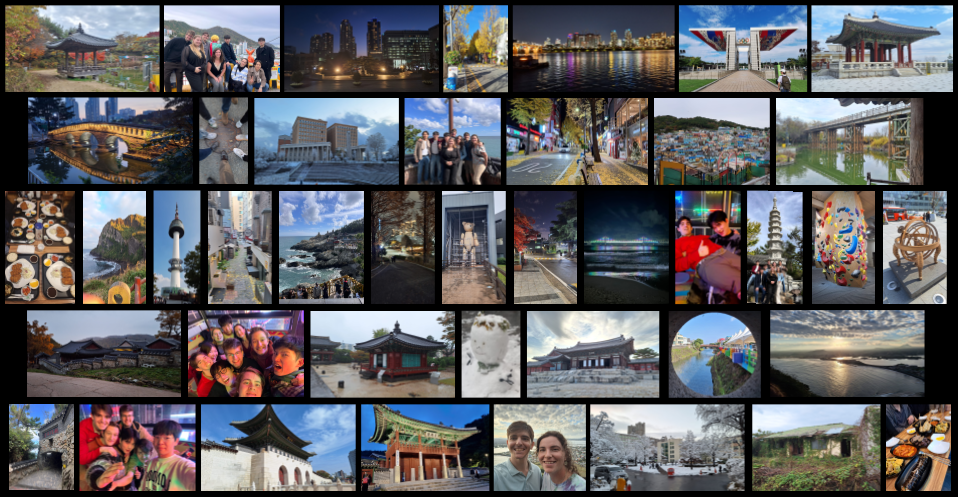
During the Fall semester of 2024 I had the opportunity to study at Konkuk University in Seoul, South Korea.
I tried so many new foods, explored unique places, and made countless lifelong friends from different parts of the world.
I met with one of my sisters after having not seen her for years, participated in one of the most important Korean holidays, and experienced the December 2024 declaration of martial law.
It was an unforgettable and transformative experience that I have the Facility for Rare Isotope Beams to thank for helping to fund my trip.
Fun Facts
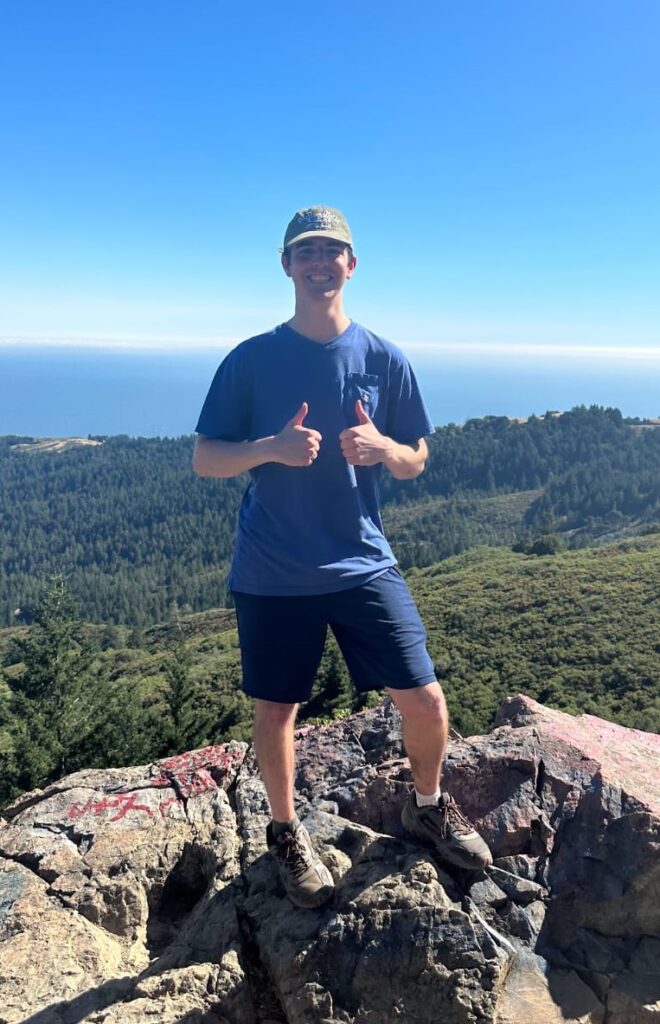
- My hobbies include hiking, biking, climbing, and rhyming.
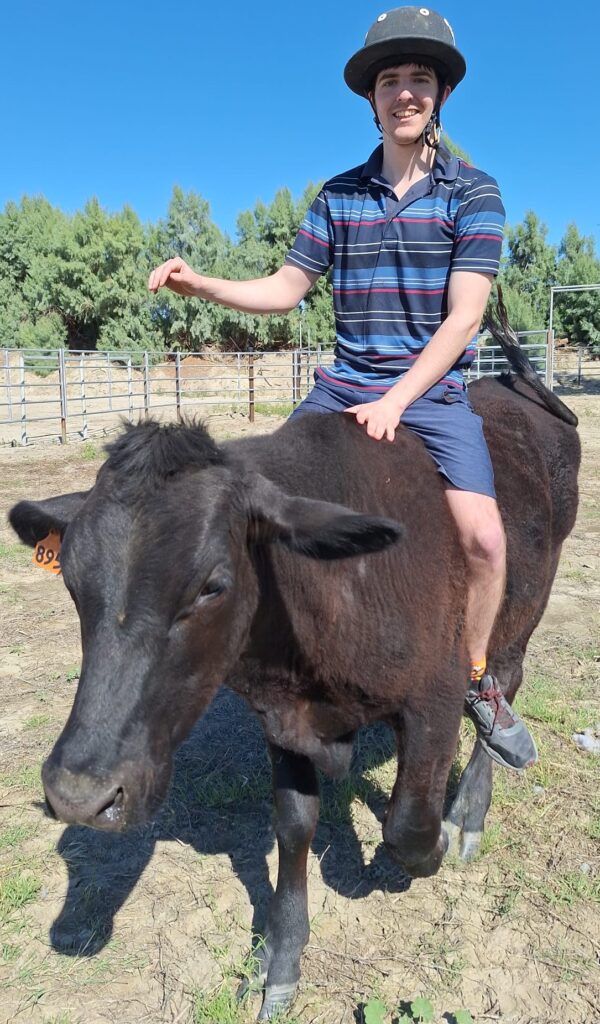
- My family has had dogs, cats, rabbits, guinea pigs, goats, sheep, horses, and a steer as pets.
- I had the highest on-base percentage in my baseball league (it was very difficult to strike me out because of how short I was).
- I am both 1st generation and 13th generation American.
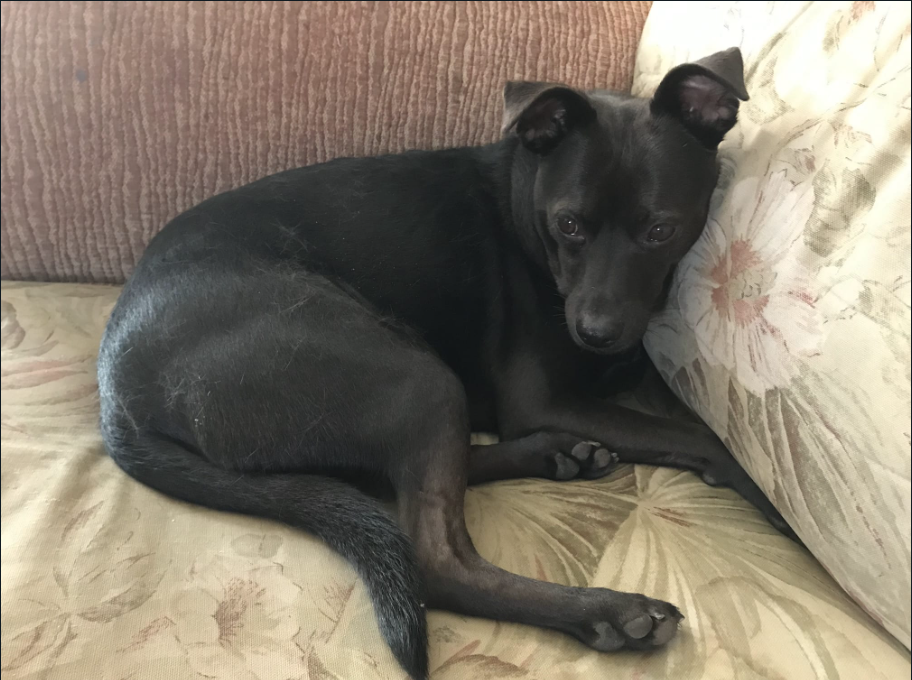
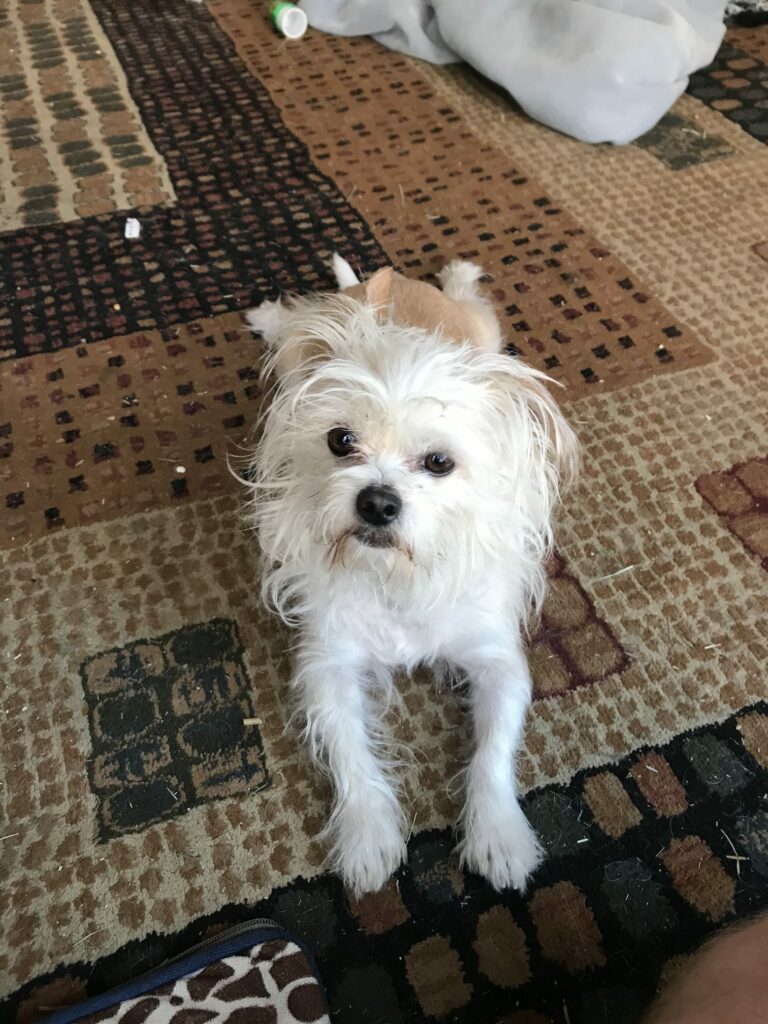
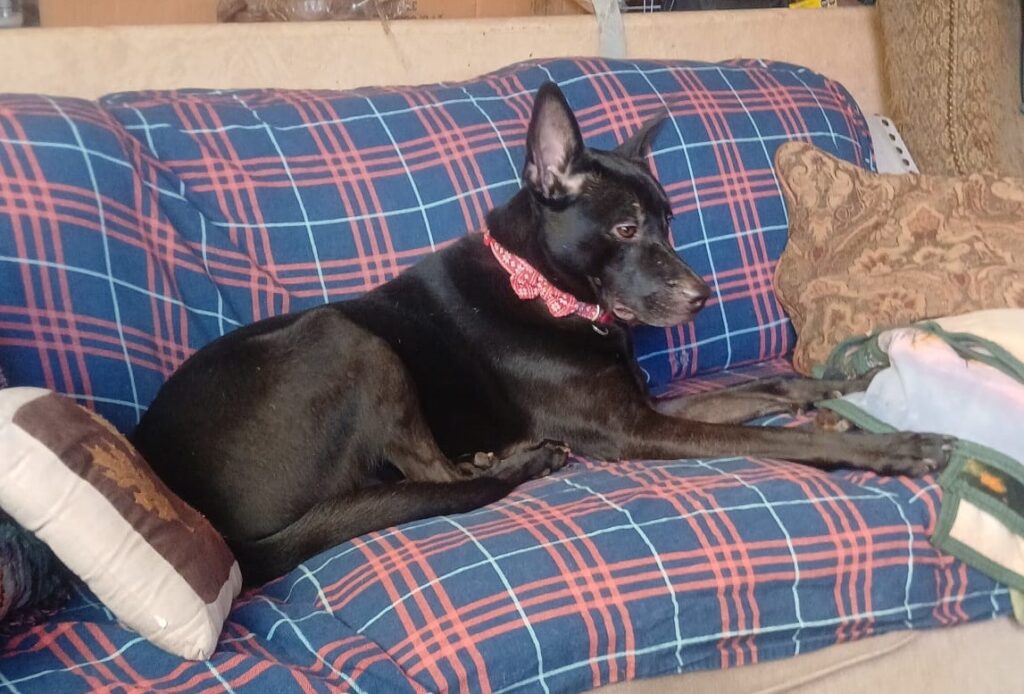
- I have three dogs (pictured below).